
.svg)
DIY Deck Staining vs Hiring a Professional: What Delivers Better Long-Term Results?
Compare DIY deck staining with professional restoration and understand which approach delivers better long-term protection.
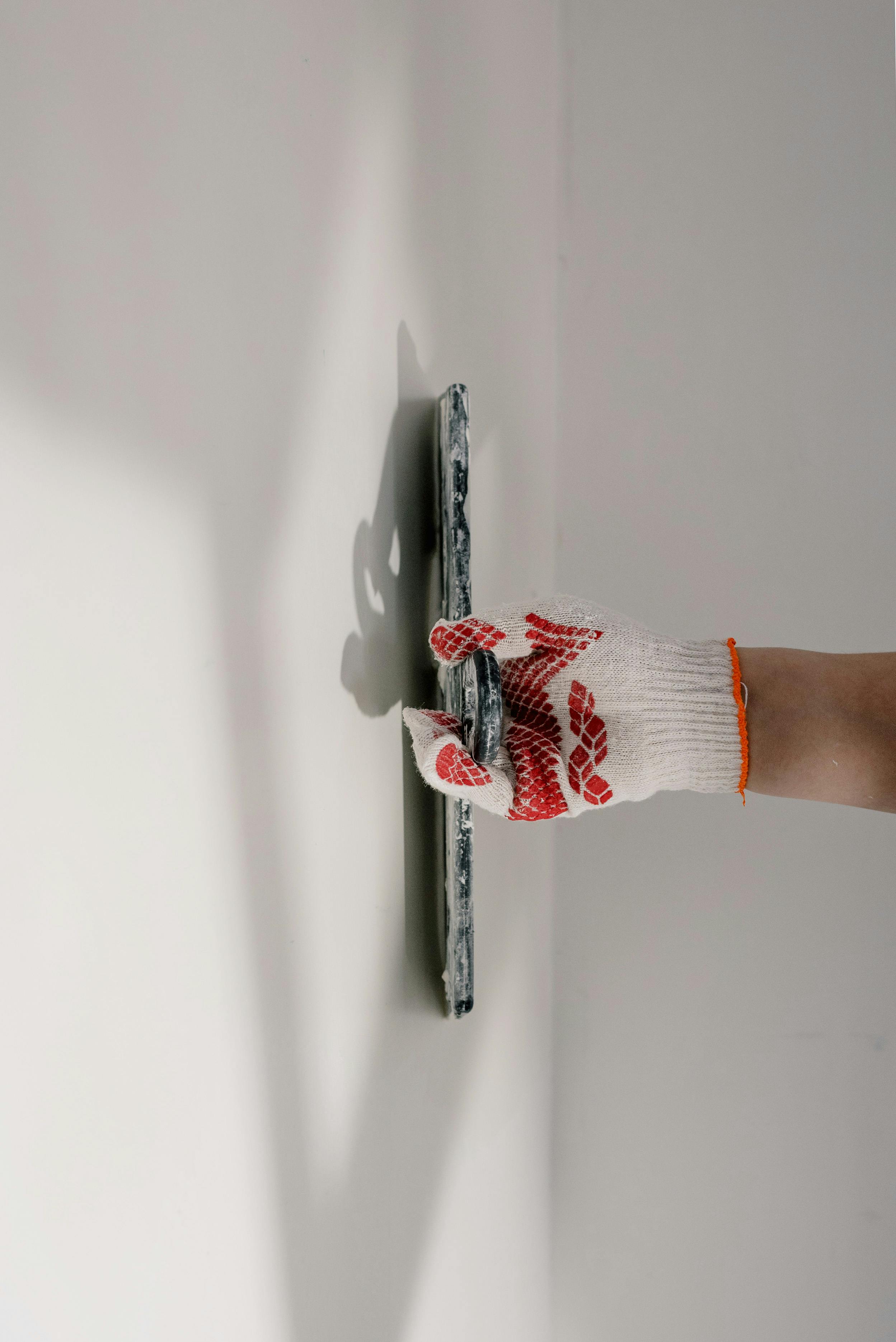
If your deck is looking faded, patchy, or dry, you’ve probably asked yourself this question:
Should I stain it myself… or bring in a professional?
At first glance, DIY deck staining seems straightforward. A trip to the hardware store, a few tools, a sunny weekend — and you’re done. But deck staining isn’t just about applying colour. It’s about preparation, protection, and making sure the finish actually lasts.
In Sydney’s climate — with intense UV, humidity, coastal salt air, and sudden downpours — the difference between a short-term refresh and long-term protection becomes very noticeable.
Let’s break down what really separates DIY deck staining from professional restoration, and what delivers better long-term results.
What Most People Think Deck Staining Involves
For many homeowners, deck staining looks like:
- Wash the deck
- Let it dry
- Apply stain
- Enjoy the new look
Simple, right?
The reality is that the visible staining step is only a small part of the process. What determines whether your deck looks great for months or years is everything that happens before the stain touches the timber.
That’s where the biggest differences between DIY and professional work start to show.
The Real Work: Preparation
If there’s one factor that determines how long deck stain lasts, it’s preparation.
DIY Preparation
Most DIY projects involve:
- Basic pressure washing
- Light surface cleaning
- Possibly sanding small areas
- Applying stain once the deck “looks clean”
The challenge? Timber can look clean but still be oxidised.
Oxidation — the grey surface layer caused by UV damage — prevents stain from penetrating properly. If it’s not fully removed, stain sits on top instead of soaking in. That’s when peeling, flaking, or rapid fading begins.
High-pressure washing can also damage timber fibres, leaving the surface rough and uneven — which affects the final finish.
Professional Preparation
Professional deck restoration typically includes:
- Timber-specific cleaning solutions to remove oxidation
- Controlled pressure washing (not excessive force)
- Mould and mildew treatment
- Sanding when required
- pH balancing and brightening
- Full drying assessment before coating
It’s systematic and tailored to the deck’s condition, timber type, and previous coatings.
Preparation isn’t rushed — because it’s the foundation of longevity.
Product Choice: Hardware Store vs Professional-Grade Systems
Another key difference is product selection.
DIY Products
Retail deck oils and stains are designed for broad consumer use. They can work well — but they often:
- Contain lower UV pigment levels
- Prioritise ease of application
- Offer shorter maintenance cycles
- Are applied without technical compatibility assessment
In high-UV Sydney conditions, lighter oils without strong UV blockers can fade within 6–12 months.
Professional Systems
Professional-grade products are typically:
- Higher in UV inhibitors
- Designed for Australian exposure levels
- Selected based on timber species
- Applied in optimal weather conditions
- Matched to the deck’s previous coating system
Pigmented stains, for example, generally outperform clear oils in harsh sun. A professional can recommend the right system for longevity — not just appearance.
Application Technique: It’s More Technical Than It Looks
Even with the right product, application technique makes a major difference.
Common DIY issues include:
- Uneven absorption
- Lap marks
- Over-application
- Pooling in board joints
- Sticky surfaces from excess oil
Deck stain isn’t paint. It needs to penetrate — not sit thickly on the surface.
Professionals manage:
- Even coverage
- Correct coat thickness
- Proper wiping of excess
- Weather timing (avoiding peak heat or unexpected rain)
- Consistent drying intervals
Small mistakes during application can significantly shorten lifespan.
Longevity: What Actually Lasts Longer?
Here’s the honest comparison in Sydney conditions.
Typical DIY Outcome
- Looks great initially
- May require recoat within 6–12 months
- Higher risk of uneven fading
- More likely to peel if preparation was incomplete
Professional Outcome
- Longer maintenance cycles (often 12–24 months depending on exposure)
- More even fading over time
- Better resistance to UV breakdown
- Lower risk of peeling or flaking
The difference isn’t magic. It’s preparation depth, product selection, and precision.
The Cost Factor: Is DIY Really Cheaper?
DIY deck staining often seems more affordable upfront.
Costs typically include:
- Cleaner
- Stain or oil
- Brushes/rollers
- Possible sander hire
- Your time
But consider:
- Time spent researching
- Physical labour involved
- Risk of needing to redo the job
- Potential damage from incorrect pressure washing
- Premature failure requiring full sanding later
If a DIY job lasts one season and needs redoing, the long-term cost can approach or exceed professional restoration.
Risk and Margin for Error
Deck restoration has a narrow margin for error.
Common problems we see after DIY attempts include:
- Patchy colour
- Shiny and dull areas mixed together
- Peeling stain within months
- Dark mould returning quickly
- Over-sanded boards
- Fibre damage from excessive pressure
Correcting these issues usually requires deeper sanding and more intensive restoration than if it had been prepared properly from the start.
In coastal Sydney areas, environmental stress amplifies small mistakes.
When DIY Might Make Sense
There are situations where DIY can be reasonable:
- Small deck areas
- Relatively new timber
- Light maintenance recoat (no heavy oxidation)
- Low sun exposure
But if the deck is heavily greyed, has layered old coatings, or hasn’t been maintained for several years, professional restoration typically produces significantly better long-term results.
Why Professional Deck Staining Delivers Better Long-Term Value
When comparing DIY deck staining vs hiring a professional, the biggest difference is not appearance on day one.
It’s performance 12 months later.
Professional restoration:
- Removes oxidation properly
- Ensures full surface preparation
- Applies products suited to local conditions
- Extends maintenance cycles
- Reduces likelihood of premature failure
- Protects timber lifespan
In Sydney’s climate, where UV exposure is intense and moisture cycles are frequent, that longevity matters.
The Bigger Picture: Protecting the Timber, Not Just Refreshing It
Deck staining isn’t just cosmetic.
It protects against:
- UV degradation
- Moisture penetration
- Cracking and splitting
- Premature ageing
- Structural deterioration over time
When done correctly, it extends the usable life of the deck significantly.
When done poorly, it can accelerate deterioration by trapping moisture or leaving fibres exposed.
That’s why the preparation and system matter more than the colour choice.
Common Questions About DIY vs Professional Deck Staining
Can I just apply another coat over existing stain?
Only if the existing coating is sound and compatible. If it’s peeling or layered unevenly, it needs proper removal first.
Why does deck stain peel?
Usually due to poor preparation, over-application, or moisture trapped beneath the coating.
Does hiring a professional mean it lasts forever?
No finish is permanent. But professional preparation and application significantly extend maintenance cycles and reduce failure risk.
Final Thoughts: What Delivers Better Long-Term Results?
DIY deck staining can refresh the look of a deck — temporarily.
Professional deck restoration focuses on longevity.
In Sydney’s demanding climate, preparation quality and product choice make the difference between:
- Recoating every season
- Or enjoying consistent performance for years
If your deck is lightly weathered and well-maintained, a DIY refresh may be manageable.
If it’s heavily greyed, peeling, mould-prone, or hasn’t been restored in years, professional preparation will almost always deliver better long-term results.
At Sydney Timber Care, we specialise in timber cleaning, preparation, deck staining, and oiling designed specifically for local conditions. If you’d like a clear assessment of what your deck actually needs — whether light maintenance or full restoration — we’re happy to provide honest advice and a tailored quote.
Because when it comes to protecting timber, the long-term result is what really matters.